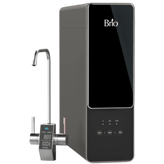
Brio AQUUS 1000GPD Reviews: See Why 0 Shoppers Rated It 0 Stars!
Some love the Brio AQUUS 1000GPD water filtration system, others were let down. Find out what 0 shoppers really thought of these Brio Water water filtration systems — before you make your choice.
 Supermod
  Moderator
 Recaptor
 Brio AQUUS 1000GPD Review: A High-Capacity RO System That Aims Big Under the Sink
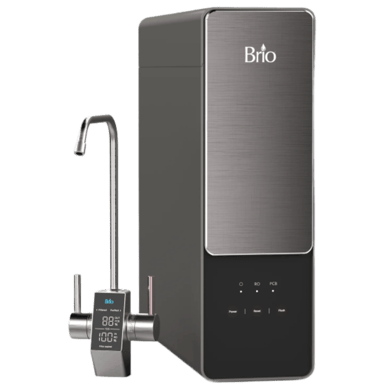
The Brio AQUUS 1000GPD is an under-sink reverse osmosis system that promises serious throughput for households and small commercial spaces. If you're weighing compact RO units against whole-home setups, this model sits in a sweet spot: small enough to tuck away, but bold in its ambitions with a 1,000 gallons per day capacity and a 1000 GPD RO membrane. On paper, it's designed to handle the demands of families, office breakrooms, and even RVs where consistent, clean drinking water matters. This review of the Brio AQUUS 1000GPD is based on its specifications and available data, not hands-on testing, and aims to translate the numbers into real-world expectations.
Detailed Specs & Features
At its core, the AQUUS 1000GPD is a reverse osmosis system with a four-stage filtration train. The stated media include sediment and activated carbon pre-filters feeding a high-output RO membrane, followed by a post filter. The sediment stage is rated at a fine 0.5 micron, suitable for catching silt and rust before they reach the membrane. The carbon elements use coconut-based media to reduce chlorine and tastes/odors, while the membrane is rated to significantly cut total dissolved solids with a claimed 90% TDS reduction.
Performance claims are ambitious: a maximum of 1,000 gallons per day and a listed 2:1 system recovery rate. That recovery rate suggests the unit aims for better water efficiency than many older RO systems, and the spec sheet also distills that into a simple 50% water efficiency figure. Input pressure tolerance is wide; 14 psi minimum up to 87 psi maximum, with automatic regulation and water-hammer resistance to protect the internals.
Despite the throughput, the chassis remains compact at 5.2 × 18.2 × 16.6 inches and 28.2 pounds, with a stainless-steel brilliant faucet included. Specs also call out 40 dB operation, which is essentially library-quiet, and an LED status display with TDS monitoring and filter-life readouts. For upkeep, the brand quotes a straightforward 12-month filter replacement interval and tool-free cartridge swaps, along with a 30-minute installation time for DIYers.
As for the power side, it draws 85 W at 125 V/60 Hz and includes protections for overvoltage and overheating. The faucet requires a 1.2-inch hole, and standard 3/8-inch inlet and outlet lines should make compatibility simple in most North American kitchens. Finally, warranty coverage is straightforward: a limited warranty with 1-year parts and 1-year labor.
User Experience & Performance (Based on Specs)
Design & Build
From the numbers, the AQUUS 1000GPD reads like a modern, minimalist under-sink unit: plastic housing with corrosion resistance, BPA-free materials, brass valves where it counts, and stainless hardware for the drain clamp. The compact footprint should leave room for cleaning supplies in many cabinets. The faucet's slim profile and matte finish feel designed to blend rather than shout, and the 40 dB noise level, on paper, suggests you'll only hear a soft hum during production, if anything. There's no UV stage or remineralization stage here, which keeps the package tight and maintenance simpler, though it also shapes the water's final taste profile (more on that in a bit).
Performance
This is where the AQUUS 1000GPD gets interesting. A high-output membrane with a 2:1 recovery rate implies the system will generate filtered water quickly while being less wasteful than legacy RO designs. The listed 2.5 GPM flow with a 2.2 GPM peak is an odd mismatch; typically, "peak" sits above nominal, but taken together, they signal brisk dispensing for single-faucet use. The spec sheet claims 90% TDS reduction, substantial chlorine reduction (also 99% noted), and filtration for metals and common VOCs. For a family that cooks a lot or fills large bottles, the speed plus TDS cut could be the main draw. One caveat: there's no remineralization stage, so the water may taste very "neutral" or slightly flat, which some people love, and others find too soft.
As always with RO, your inlet pressure and water chemistry matter; the AQUUS tolerates low pressure down to 14 psi, but if you're near that floor, production speeds may trail the headline numbers. Conversely, at moderate pressure, say 40-60 psi, you're more likely to tap into the promise of rapid fill times. Efficiency-wise, a 50% recovery looks solid for under-sink RO, especially compared with older 3:1 or 4:1 waste ratios. If you're conscious about wastewater, that's a meaningful improvement. On the flip side, some specs raise eyebrows: the sheet lists a 1,000-gallon "holding tank volume," which seems implausible for an under-sink system and is likely a data entry mix-up. It doesn't change how we interpret the core filtration, but it's worth noting for clarity.
Extra Features
Quality-of-life touches include a brilliant faucet with TDS readouts and filter life indicators; useful for gauging when performance is dipping. Leak detection and auto shutoff are reassuring, especially if you're away from home often. Tool-free cartridge replacement can turn a dreaded chore into a five-minute task. And though there's no app connectivity, the straightforward LED interface and on-faucet feedback arguably reduce friction. The system's safety callouts (UL, IP65 ingress protection, electromagnetic compatibility) indicate attention to electrical and splash protection in kitchen environments.
Pros & Cons
Pros
- High output membrane (1000 GPD) for fast replenishment and busy kitchens.
- Improved efficiency (2:1 recovery / 50% water efficiency) compared with legacy RO units.
- Quiet operation (claimed 40 dB) and compact footprint for under-sink installs.
- Brilliant faucet with TDS and filter-life indicators simplifies monitoring.
- Broad contaminant reduction claims, including chlorine, heavy metals, VOCs, and microplastics.
Cons
- No remineralization stage; some users may prefer added minerals for taste.
- A few spec inconsistencies (e.g., "holding tank volume" and flow numbers) require clarification.
- Chloramine is not explicitly reduced; municipal supplies with chloramine may need an add-on stage.
- No UV sterilization; fine for most tap water, but not ideal for uncertain healthy sources.
Price & Value for Money
The Brio AQUUS 1000GPD is listed at $699.99 at BrioWater.com. For an under-sink RO system with a 1000 GPD membrane, pressure regulation, leak detection, and a brilliant faucet, that pricing looks competitive. In many markets, slower RO kits cost less but trail on speed and efficiency; high-end multi-stage or remineralization models often cost more. If your priority is throughput plus decent efficiency, and you're okay skipping remineralization, this package feels well-positioned. On the flip side, if taste is paramount and you prefer a mineralized finish, you'll either want to add a calcite stage or consider an alternative that bakes that in.
Who should consider it? Families of 4-5, home cooks who fill stockpots daily, coffee aficionados who grind through liters, or small offices that want a reliable hydration station. Who might skip it? Anyone on chloramine-heavy municipal supplies without a plan for targeted reduction, or those who want a distinctly mineral-rich mouthfeel straight out of the box.
Quick Take
On paper, the Brio AQUUS 1000GPD delivers speed and solid efficiency in a compact form, with intelligent monitoring that keeps maintenance low-friction. It leans modern and minimal; no bells like UV or remineralization, but covers the big filtration bases and does it quietly.
If you value high flow, straightforward upkeep, and a clean aesthetic, it's an appealing under-sink RO. Just keep an eye on a couple of spec quirks and consider a taste-tailoring add-on if you prefer mineralized water.
Closing Recommendation
Viewed strictly through the lens of its specifications, the Brio AQUUS 1000GPD stands out for throughput and efficiency, aiming to bring near-commercial performance to a home kitchen. The feature set is practical: quiet operation, an informative, brilliant faucet, and safety protections that aren't just checkbox items. While the lack of remineralization and some data oddities invite questions, the fundamentals are compelling for the price.
If you're shopping for an under-sink RO that prioritizes fast production and easy ownership, the AQUUS 1000GPD is worth shortlisting. Add a remineralization cartridge if you want a brighter taste, and confirm any spec ambiguities with the seller before you buy.
Verdict
Rating: Based on the specifications and overall feature set, we believe Brio AQUUS 1000GPD deserves 4.2 out of 5.
- Winner Feature => High-output 1000 GPD membrane with 50% water efficiency offers fast fills without old-school waste.
- Needs Improvement => No built-in remineralization and a couple of ambiguous specs that buyers will want clarified.
Reviews 0
The good, the bad, and the brutally honest.Average Rating

More Water Filtration Systems 666
Unlock more awesome finds.